Trials of Osiris is one of Destiny 2’s most intense and competitive PvP experiences. Reaching the Lighthouse requires not only great skill but also careful planning, coordination, and an ability to adapt under pressure. However, many players fall short due to common mistakes that hinder their progress. By identifying and addressing these pitfalls, you can improve your performance and increase your chances of success. Here are some of the most frequent mistakes made by Trials players and how to avoid them.
Neglecting Communication
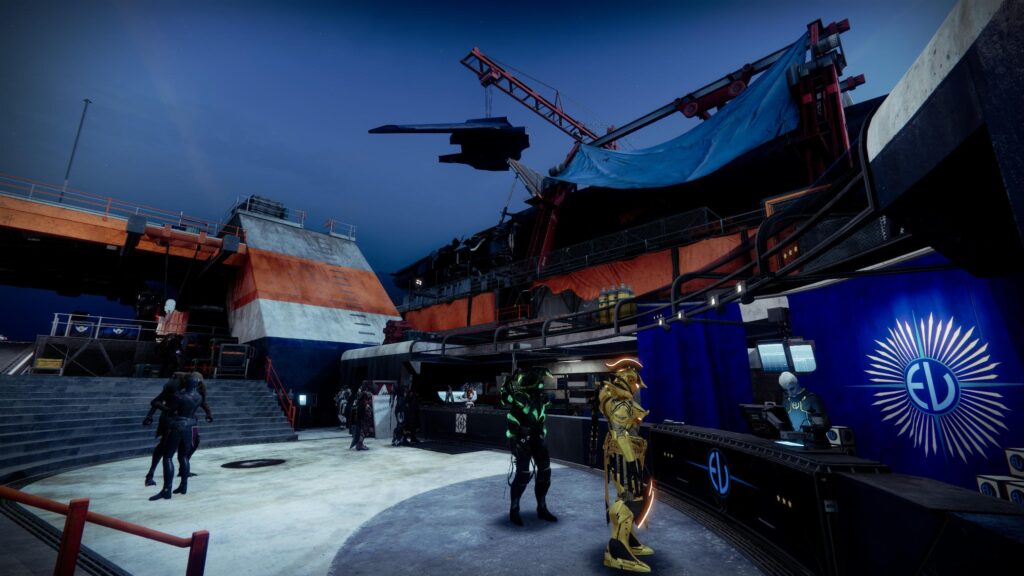
One of the biggest mistakes in Trials is failing to communicate effectively with your teammates. Without clear callouts, players often get caught off guard, lose track of enemy positions, or miss opportunities to revive allies. Even the best individual players struggle if they don’t work together as a team.
To avoid this, focus on concise, relevant callouts. Instead of vague statements like “They’re over there,” say “One is on the left behind cover, another is pushing right.” Consistent communication helps everyone stay informed, coordinated, and ready to react quickly to changing situations.
Overextending or Isolating
Another common mistake is overextending or pushing into the enemy team alone. Even if you’re confident in your skills, rushing ahead without backup often results in being outnumbered and eliminated. This leaves your teammates at a disadvantage and can quickly snowball into a round loss.
Instead, move as a unit and play off each other’s positioning. When pushing, make sure your team is nearby to trade kills if needed. If you need to retreat, do so together so you can regroup and re-engage on more favorable terms. By maintaining close proximity and supporting each other, you’ll improve your chances of surviving tough engagements.
Not Adjusting Loadouts
Sticking with the same loadout regardless of the enemy team’s composition or the map layout is a critical error. Some players refuse to swap weapons or subclasses, even when their current setup isn’t working. This rigidity makes it easier for opponents to predict your strategy and counter your playstyle.
Be willing to adapt your loadout. If the enemy team is using long-range weapons, consider switching to a scout rifle or sniper. If they’re heavily aggressive, try a shotgun or fusion rifle to counter their pushes. Flexibility in your gear and abilities allows you to stay competitive and turn difficult matches in your favor.
Ignoring Revives
Trials of Osiris is built around the elimination format, and revives are a crucial part of the strategy. However, many players either ignore revive opportunities or attempt them at the wrong time. Leaving a downed teammate too long can turn the fight into a lopsided battle, while attempting a revive in the middle of enemy fire can lead to multiple eliminations.
Pay attention to revive opportunities and weigh the risk versus reward. If the area is clear, revive as quickly as possible to maintain numbers. If enemies are nearby, communicate with your team to create space before going for the revive. Smart, timely revives can turn the tide of a round and keep your team in the fight.
Not Controlling Heavy Ammo and Zones
Heavy ammo rounds and capture zones are critical elements in Trials that can swing the match. Many players fail to plan around these events, either ignoring heavy ammo entirely or losing track of zone timers. This often leads to the enemy team gaining a major advantage by securing heavy or holding the zone uncontested.
Stay aware of when heavy ammo spawns and coordinate with your team to secure it. Even if you can’t grab it, you can deny it from the enemy by controlling the area. Similarly, when the match enters a capture zone phase, be prepared to rotate early and establish a strong position. Being proactive about these objectives helps prevent last-second scrambles and unnecessary losses.
Conclusion: Learn and Adapt
The most common mistakes in Trials of Osiris—lack of communication, overextending, failing to adapt loadouts, ignoring revives, and neglecting heavy ammo and zones—can all be addressed with preparation, teamwork, and a willingness to adjust. By avoiding these pitfalls and focusing on coordinated, thoughtful play, you’ll be well on your way to becoming a more consistent and successful Trials competitor.
Home